Small Business Marketing Tip: Bottom of Funnel

Quick Summary: Bottom-of-funnel (BOFU) marketing helps small businesses convert high-intent prospects who are comparing options and ready to buy by reducing friction and building confidence. By targeting BOFU audiences with specific search/retargeting/email strategies and sending them to fast landing pages with strong offers, clear CTAs, and trust signals, businesses can make sales more predictable and boost revenue.
You can do “all the right marketing things” as a small business—post consistently, run a few ads, build an email list, even get steady website traffic—and still feel like sales are stuck. That usually isn’t a traffic problem. It’s a timing problem.
Most small businesses spend a lot of energy at the top of the funnel (getting attention) and some effort in the middle (earning trust). But many don’t have a clear plan for the moment when someone is finally ready to buy. That’s where Bottom of Funnel (BOFU) marketing comes in: the conversion-focused stage where prospects are comparing options, looking for reassurance, and deciding who gets their money.
The good news is BOFU doesn’t require huge budgets—it requires clarity. When you target high-intent people with the right message, send them to a fast page with a strong offer, and make the next step obvious, sales become a lot more predictable. Let’s break down what BOFU is, how it differs from other funnel stages, and how to target it in a practical, small-business-friendly way.
What Bottom of Funnel Is (and Why It Matters for Small Businesses)
Bottom of Funnel is the final decision stage—where qualified prospects evaluate specific solutions and prepare to purchase. HubSpot
At this point, your audience isn’t asking, “What is this?” They’re asking:
“Is this the right fit for me?”
“Can I trust this business?”
“What will it cost—and what do I get?”
“How soon can I get results (or delivery)?”
“What happens if it doesn’t work?”
For a small business owner, BOFU is where marketing becomes less about reach and more about reducing friction. Your job is to help someone make a confident decision quickly.
What Bottom of Funnel Looks Like in Real Life
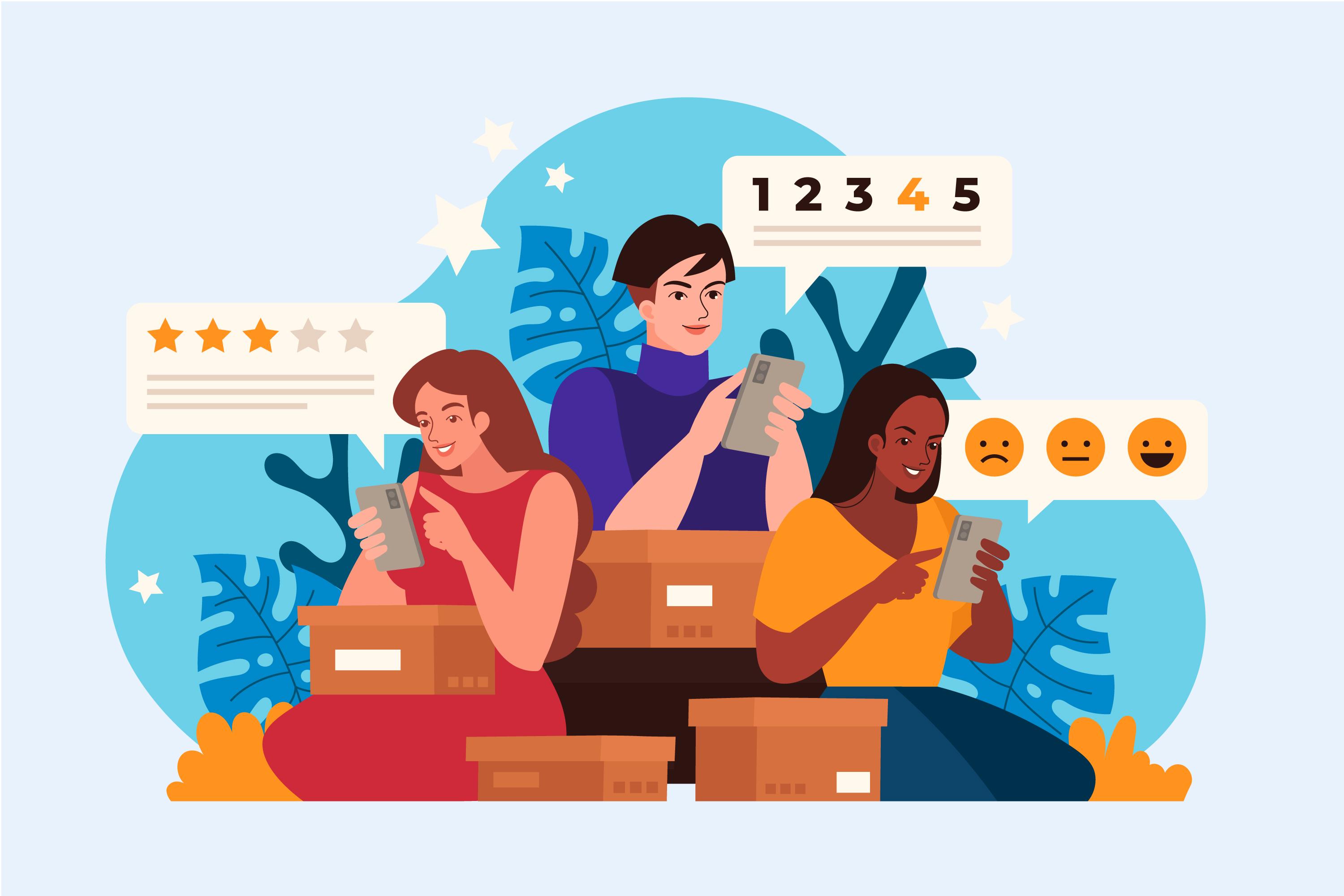
BOFU behavior is usually obvious once you know what to look for. These are people who are “shopping with intent,” not browsing.
Common BOFU signals on your website
Visiting your pricing, services, or product pages multiple times
Viewing FAQs, testimonials, case studies, or reviews
Adding items to cart (then leaving)
Clicking “Book,” “Get a Quote,” “Start Trial,” or “Contact” but not completing
Returning via branded search (they Google your business name)
What BOFU audiences look like for small businesses
Local services: “emergency plumber near me,” “quote,” “availability,” “open now,” “licensed,” “warranty”
Ecommerce: cart abandoners, product-page revisits, discount-code hunters, repeat visitors
B2B / agencies: people requesting proposals, asking timelines, comparing packages, checking portfolios
A helpful way to think about it: BOFU audiences are deciding who to buy from, not whether to buy.
Bottom of Funnel vs. Middle of Funnel vs. Top of Funnel
A lot of small-business marketing underperforms because the message doesn’t match the stage.
Top of Funnel (TOFU): Awareness
Goal: Get attention and educate.
Audience mindset: “I have a problem (or curiosity).”
Content that works: blogs, short videos, social posts, beginner guides, checklists.
Middle of Funnel (MOFU): Consideration
Goal: Build trust and preference.
Audience mindset: “I’m exploring options.”
Content that works: comparisons, how-to webinars, email nurture, brand story, before/after, FAQs.
Bottom of Funnel (BOFU): Decision
Goal: Convert.
Audience mindset: “I’m ready—prove this is the right choice.”
Content that works: testimonials, case studies, pricing clarity, demos, guarantees, strong landing pages, retargeting, sales emails.
If TOFU is “teach me” and MOFU is “convince me,” BOFU is “make it easy for me to say yes.”
How to Build a Bottom of Funnel Audience (Without Fancy Tools)
You don’t need an enterprise tech stack—just a few clear segments you can target.
Start with these simple buckets:
Warm visitors: anyone who visited in the last 7–30 days
High-intent visitors: pricing page / booking page / checkout page visitors
Engaged leads: people who opened/clicked emails or filled a form (even partially)
Cart/lead abandoners: started checkout or quote form but didn’t finish
Past customers: often your easiest BOFU conversions (repeat purchases, upgrades, referrals)
Even just separating “pricing page visitors” from “blog readers” can dramatically improve ad relevance and conversion rates.
Practical Tips to Target Bottom of Funnel (That Small Businesses Can Actually Execute)
Here are BOFU strategies that work especially well when time and budget are limited.
1) Run high-intent search campaigns (not broad keywords)
BOFU search terms usually include words like:
“pricing,” “cost,” “book,” “quote,” “near me,” “best,” “review,” “vs,” “demo,” “trial”
Instead of targeting “personal trainer,” target:
“personal trainer pricing [city]”
“personal trainer for weight loss [city]”
“book personal trainer consultation”
This improves lead quality because search intent is already close to purchase.
2) Retarget people who showed intent (and keep it specific)
Retargeting works best when it’s not generic.
Create ads that match what they already did:
Visited pricing → show a “packages + what’s included” message
Viewed a product → show that product with reviews + shipping/returns clarity
Abandoned a form → “Finish your quote in 60 seconds”
This is especially powerful for ecommerce, where cart abandonment is common. Baymard’s research puts the average documented cart abandonment rate at 70.22%, meaning there’s often a large pool of near-buyers to win back. Baymard Institute
3) Use BOFU emails that remove doubt (not just “checking in”)
BOFU email isn’t about hype—it’s about confidence.
Try a short sequence like:
Email 1: “Here’s what happens after you book/buy” (set expectations)
Email 2: “Answers to the top 5 questions we get” (handle objections)
Email 3: “Proof + story” (testimonial/case study + outcome)
Email 4: “Last nudge” (deadline, bonus, or limited availability)
Email remains a strong conversion channel and ROI driver: Litmus reports email ROI commonly ranges from 10:1 to 36:1 (return per $1 spent), with many companies seeing $10–$36 back per $1 invested. Litmus
4) Make social proof impossible to miss
At BOFU, people look for reassurance. Add trust signals where decisions happen:
Testimonials near the CTA
Star ratings / review snippets
Before-and-after photos
“As seen in” logos (if true)
Simple numbers: “1,200+ orders shipped” or “300+ clients served”
Keep it relevant: the best testimonial answers the buyer’s biggest fear.
5) Offer a risk reducer (especially for first-time buyers)
Risk reducers can increase conversions without discounting your value:
Money-back guarantee
Free consult / assessment
“Cancel anytime”
Transparent returns/exchanges
Clear turnaround times and deliverables
For service businesses, a “free 15-minute fit call” often works better than a blanket discount—because it lowers commitment risk.
Funnel BOFU Traffic to a Website with a Strong Offer and CTA
BOFU marketing only works if the landing experience matches the intent.
Unbounce’s Conversion Benchmark Report notes the median landing page conversion rate is 6.6% across industries—so many businesses are leaving conversions on the table simply due to page clarity and friction. Unbounce
Here’s a practical BOFU landing page checklist:
One primary offer (don’t overwhelm with options)
One primary CTA (Book, Buy, Get Quote—pick one)
Message match (headline mirrors the ad/email promise)
Above-the-fold clarity: who it’s for, what it solves, what happens next
Trust stack near the CTA: reviews, guarantees, credentials
Objection handling: FAQs, pricing notes, inclusions, timelines
Fast load speed (especially on mobile)
Speed matters more than most people think. Google’s research found 53% of mobile visits are abandoned if a page takes more than 3 seconds to load. Google Business
A simple BOFU offer framework
If you’re unsure what “strong offer” means, use this structure:
Get [result] in [timeframe] without [pain point]
proof + what’s included
clear next step CTA
Example (service business):
“Book a 30-minute strategy call and leave with a clear 90-day plan—no long-term contract required.”
Success Statistics: Why Bottom of Funnel Targeting Often Wins

BOFU performs because it aligns with intent—and intent converts.
A few benchmarks worth remembering:
Median landing page conversion rate: 6.6% across industries (Unbounce). Unbounce
Unbounce also reports email as the highest converting channel at 19.3% on average, highlighting why nurture and BOFU follow-up often outperform cold traffic. Unbounce
Email ROI commonly ranges from 10:1 to 36:1, making it one of the most efficient ways to convert warm audiences. Litmus
70.22% average cart abandonment indicates many buyers are close—they just need the right follow-up and friction reduction. Baymard Institute
53% mobile abandonment over 3 seconds shows why BOFU clicks can be wasted by slow pages. Google Business
In other words: BOFU is where small optimizations (message match, proof, speed, CTA clarity) can create outsized sales impact.
Conclusion: BOFU Is Where Small Businesses Turn Marketing Into Revenue
Bottom of Funnel marketing is the difference between “we’re getting traffic” and “we’re getting customers.” BOFU audiences are already close to a decision—your job is to remove doubt, reduce friction, and make the next step obvious. Focus on high-intent targeting (search, retargeting, email follow-up), funnel clicks to a fast page with one clear offer, and support the CTA with proof that feels real and relevant.
If you want a practical next step, audit your current funnel: identify your top BOFU pages (pricing, booking, checkout), tighten the offer and CTA, and build one simple retargeting + email follow-up loop. Then measure conversion rate and cost per acquisition. Small improvements here can create the biggest lift in sales—without needing more content, more followers, or a bigger budget. If ever this aspect of your business is too much for you or perhaps need experts to handle this for you, we can definitely work with you to success!
What to learn more about Sales Funnels to increase your sales through proper targeting of audiences?
Small Business Marketing Tips: Top of Funnel