
Dirty Hands, Elbow Grease: A Tradesman’s Guide to Prosperity

Quick Summary: Tradesmen don’t just need skill to thrive—they need reputation and simple systems that keep work coming in consistently. This blog shows how to turn quality craftsmanship into steady demand through before-and-after proof, reviews, referrals, and a basic online presence that makes you the obvious local choice. With a simple 30-day plan, you can build pricing power and long-term prosperity without relying on luck.
A comfortable life is built on invisible wins: lights that turn on, water that runs clean, homes that stand straight, and air that cools when the heat won’t quit. Most people don’t think about those systems—until something breaks. And when it does, the person who shows up with skill, calm, and the right tools becomes the difference between chaos and normal life.
That person is the tradesman.
Whether you’re a Texas Electrician, a crew leader in Florida Carpentry, a service pro in Wisconsin Plumbing, or an Illinois HVAC Tech who keeps families safe through every season, your work is more than physical labor. It’s problem-solving under pressure, craftsmanship people can feel, and reliability communities depend on.
The challenge is that being great at the trade doesn’t automatically mean you’ll be fully booked—or financially comfortable. The good news: with a few practical systems (especially around marketing and reputation), the work you already do can start compounding into consistent demand, stronger pricing, and real prosperity.
Tradesmen Are the Silent Heroes of Modern Life
Society runs on “infrastructure,” but most of it lives behind walls, under floors, and inside panels. The trades keep it all working.
Think about what you restore on a normal day:
Safety (proper wiring, ventilation, structural integrity)
Health (clean water lines, drainage, air quality)
Comfort (temperature control, reliable hot water)
Productivity (homes and businesses that can function without interruptions)
This is why skilled tradespeople earn trust fast—when you fix something that matters, you become memorable. And trust is the most valuable currency in a local service business.
The opportunity is to treat trust like an asset: document it, collect proof, and make it easy for the next customer to choose you.
The Prosperity Equation: Skill + Reputation + Systems
A trade can absolutely be physically demanding. But prosperity in the trades isn’t about “grinding harder.” It’s about building a simple equation that pays you back:
Craftsmanship earns respect.
Reputation earns referrals.
Systems earn consistency.
A desk job often pays for time. A trade, done right, pays for outcomes—especially when you develop a specialty, communicate clearly, and create repeatable ways to win work.
If you’ve ever thought, “I’m busy, but I’m not getting ahead,” the fix is usually not your work ethic. It’s the lack of a repeatable pipeline: photos, reviews, referrals, and an online presence that keeps working when you’re on a ladder or in an attic.
What the Numbers Say About Success in the Trades
If “financial comfort” feels like a vague promise, grounding it in real data helps. The U.S. Bureau of Labor Statistics (BLS) reports strong median wages across core trades, with top earners breaking well into six figures in some roles. Bureau of Labor Statistics
Here are a few examples from May 2024 BLS data:
Electricians: median annual wage $62,350; top 10% earn more than $106,030. Bureau of Labor Statistics
Plumbers, pipefitters, steamfitters: median annual wage $62,970; top 10% earn more than $105,150. Bureau of Labor Statistics
HVACR mechanics/installers: median annual wage $59,810; top 10% earn more than $91,020. Bureau of Labor Statistics
Carpenters: median annual wage $59,310; top 10% earn more than $98,370. Bureau of Labor Statistics
And zooming out, the broader construction and extraction category shows a median wage higher than the median for all occupations, with hundreds of thousands of openings projected each year. Bureau of Labor Statistics
Translation: the trades are not a “backup plan.” They’re a path—especially for people who combine skill with business fundamentals.
Texas Electrician to Illinois HVAC Tech: Build a Local Name, Not Just a Local Job
Here’s the shift that changes everything:
Stop thinking like “someone who does jobs.” Start thinking like “the local specialist people call first.”
That identity is built through small, consistent signals:
A clear niche (residential troubleshooting, panel upgrades, remodel rough-ins, service calls, etc.)
Proof of quality (photos, reviews, simple case studies)
Fast and professional communication (texts, estimates, follow-ups)
A presence that shows up where people search (Google, maps, local directories, a basic website)
For example:
A Texas Electrician might become known for clean panel work, clear labeling, and safety-first upgrades.
Florida Carpentry often shines when it’s paired with “fit and finish” pride—trim lines, cabinets, framing that stays square.
Wisconsin Plumbing wins when customers feel protected—leak response, winterization, clean installs, no mess left behind.
An Illinois HVAC Tech builds loyalty by educating homeowners, documenting readings, and preventing repeat failures.
Specialization isn’t limiting. It’s positioning. And positioning is what gives you pricing power.
The Marketing Flywheel Every Tradesperson Can Run
You don’t need fancy ads to build momentum. You need a flywheel—simple actions that stack.
Before-and-after photos that sell the truth
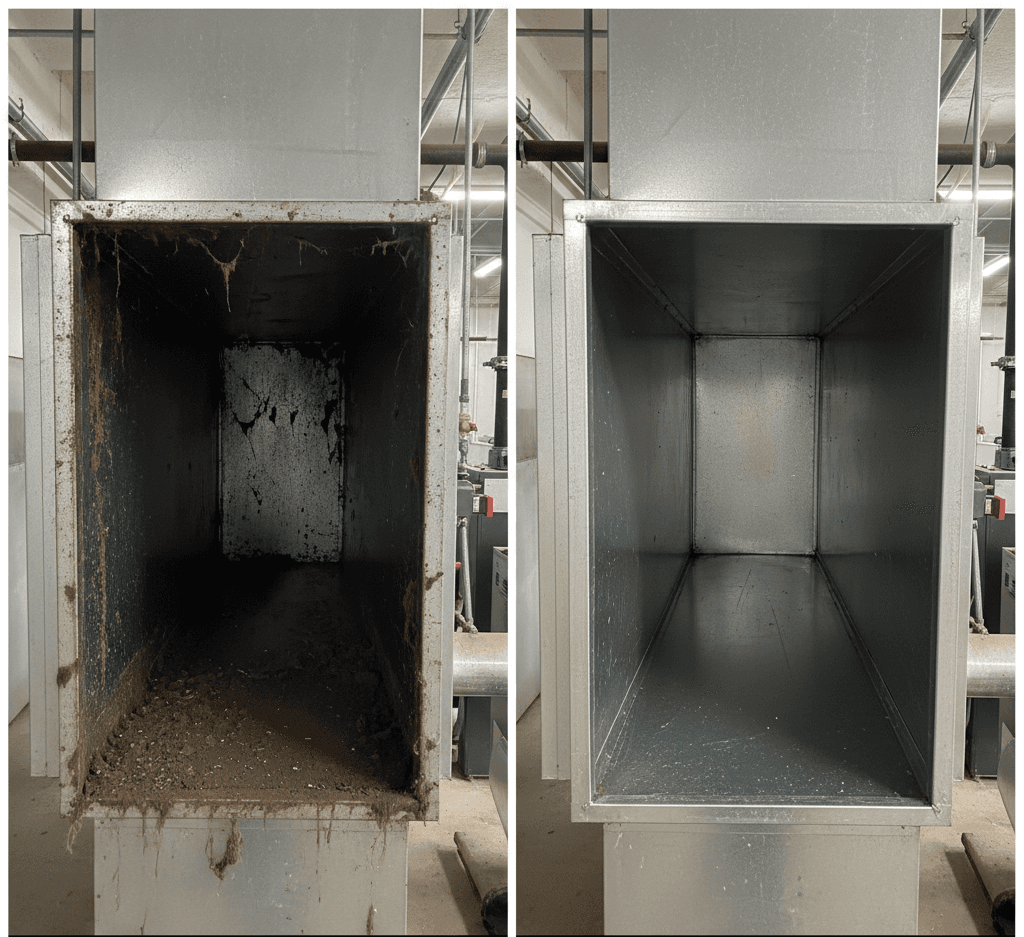
Photos aren’t “marketing fluff.” They’re evidence.
Make it a habit:
Take a before photo that clearly shows the problem.
Take a during photo that shows the process (clean wiring, solid framing, proper fittings).
Take an after photo with good lighting and the area cleaned up.
Quick tips that improve results fast:
Stand in the same spot for before/after shots.
Include one “wide” shot and one close-up detail.
Rename image files descriptively (example: “panel-upgrade-austin-tx.jpg”).
Add alt text on WordPress describing the work and location (great for SEO and accessibility).
If you use a Google Business Profile, keep it active with real job photos—Google itself encourages adding photos and videos to make your profile more helpful and attractive to customers. Google Help
Client referrals: the oldest (and still best) growth engine
Referrals feel informal—but the best tradespeople make them systematic.
Why? Because people trust people. Nielsen research consistently finds recommendations from people you know rank among the most trusted forms of advertising. Nielsen
Turn referrals into a process:
At job completion, ask:
“If you know one neighbor who’d appreciate work done this clean, I’d be grateful for an intro.”Give them an easy “forward this” text they can send.
Follow up a week later:
“Everything still working great? If anything feels off, I want to know.”
The message you’re sending is bigger than marketing: I stand behind my work.
Reviews that build trust while you sleep
Online reviews are often the first “interview” you’ll ever get.
BrightLocal’s research shows 75% of consumers “always” or “regularly” read online reviews, and only 3% say they never read them. brightlocal.com
They also found 88% of consumers would use a business that replies to all reviews, compared with 47% for businesses that don’t respond. brightlocal.com
Practical review system (simple, not pushy):
Ask when the customer is happiest (right after the fix is confirmed).
Send one direct link to your review page.
Respond to every review (short, grateful, professional).
Important: don’t buy reviews, don’t fake them, and don’t pressure customers. Real trust is slow-built—and unstoppable once earned.
Online outreach and a website that actually helps
A website doesn’t need to be fancy. It needs to answer five questions fast:
What do you do?
Where do you do it?
Are you licensed/insured (if applicable)?
Can I see proof?
How do I book you?
Minimum pages that work:
Home (services + service area + credibility)
Services (one page per core service)
Service area (cities/regions you cover)
Reviews/testimonials
Contact (tap-to-call, request form)
Bonus: A simple “Recent Projects” blog becomes SEO fuel—especially when you include before/after photos and explain the fix in plain English.
Practical Marketing Steps for a Single Tradesman, Contractor, or Freelancer
Different setups need different moves. Here’s what works without wasting time.
If you’re a solo tradesman

Your advantage is agility and personal trust. Build around it.
Focus on:
Speed to quote (fast responses win)
Proof of work (photos + reviews)
Repeatable scripts (same closeout message every time)
Weekly rhythm:
Post 2 project photos online.
Ask 2 customers for a review.
Follow up with 2 past customers (“How’s everything holding up?”).
That’s it. Consistency beats intensity.
If you’re a contractor building a small crew
Your constraint becomes coordination. Your opportunity becomes scale.
Do this early:
Standardize estimates (templates, inclusions/exclusions).
Assign someone to capture photos daily (even if it’s you for now).
Create a “handoff checklist” so quality stays consistent across jobs.
Marketing that works best for small crews:
A Google Business Profile with frequent updates
A simple website with service pages
A referral system with builders, realtors, and property managers
If you’re a freelancer or specialist
You win by being the person other pros trust.
Best channels:
Partnerships with GCs and established shops (overflow work)
Commercial maintenance contacts
Property managers and local investor groups
Your marketing asset is reliability:
On-time arrival
Clear scope
Documentation (photos, notes, readings)
No drama, no surprises
Being easy to work with is a premium skill.
A 30-Day Plan to Turn Hard Work Into Consistent Work
If you want momentum without overwhelm, run this for one month:
Week 1: Proof
Take before/after photos on every job.
Build a simple gallery (website page or portfolio).
Week 2: Reputation
Ask every satisfied client for a review.
Respond to every review (yes, even the short ones).
Week 3: Presence
Tighten your service descriptions and service areas.
Add clear contact options (call/text/email).
Week 4: Referrals
Send a follow-up text to recent clients.
Ask for one introduction each.
This is how you stop starting over every month.
Conclusion
Tradesmen are not just workers; they’re the quiet force that keeps homes safe, businesses open, and families comfortable. The work is physical, yes—but it’s also skilled, essential, and deeply valuable. And the data backs up what many tradespeople already know: these careers can lead to real financial stability, especially as you gain experience and move into higher-value work. Bureau of Labor Statistics
The difference between “busy” and “prosperous” is often a few repeatable habits: document your work with before/after photos, build a steady stream of reviews, and turn referrals into a simple system. Hard work will always be part of the trade—but when you pair it with smart visibility, the payoff can be more than worth it. If you want to go deeper, explore resources on local SEO, reputation management, and trade career outlooks—and keep building your name one clean job at a time.
Want to learn more on personal branding and growth? Read The Overlooked Strategy of a Highly Effective Person: How Visibility Shapes Your Success